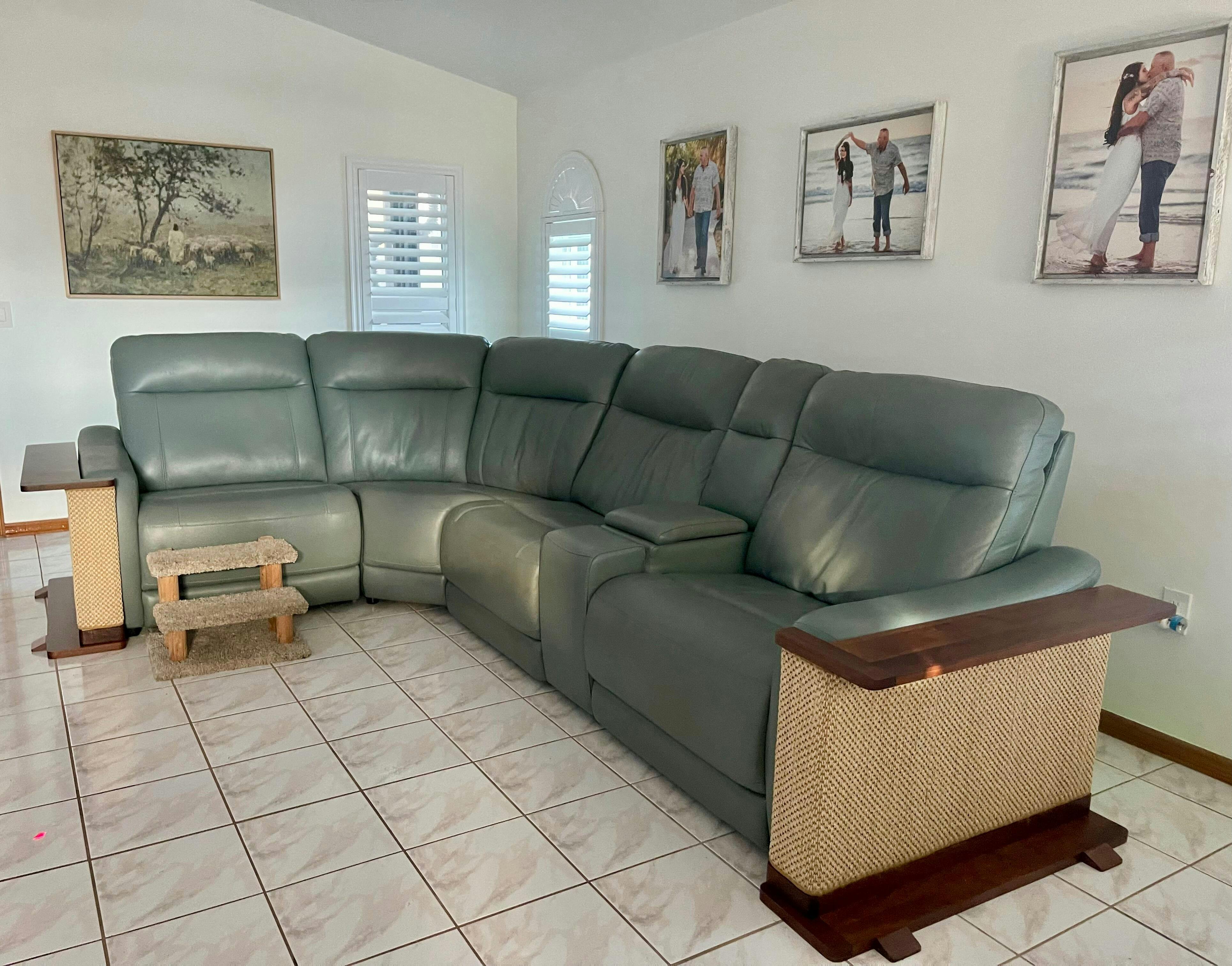
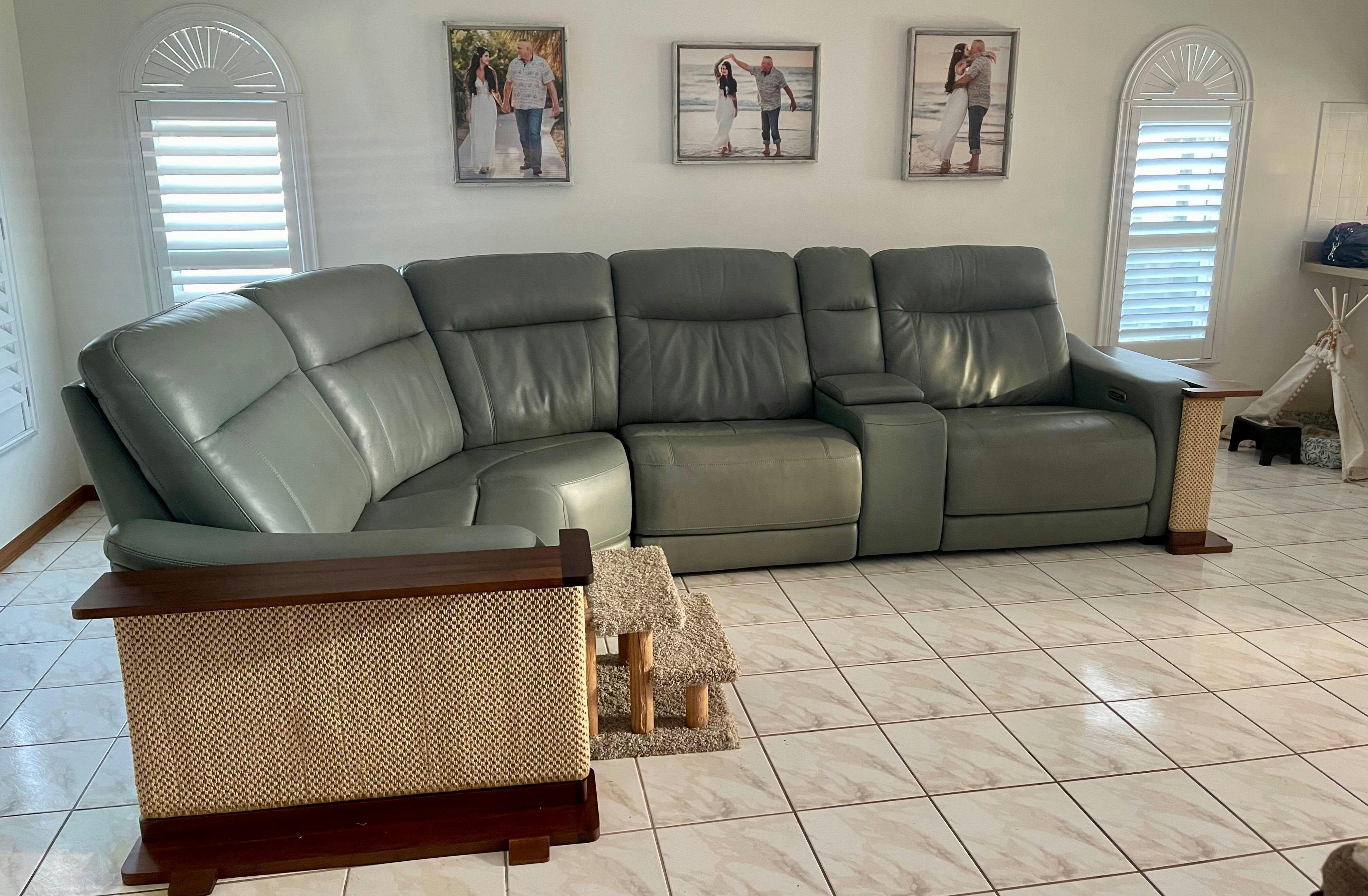
Every cat has a unique scratching style, and finding the right type of scratcher can mean the difference between a satisfied feline and shredded furniture. While all cats scratch for natural reasons, how they prefer to scratch varies widely, so paying close attention to your cat's habits will tell you everything you need to know about their preferences.
Below, you’ll find a practical guide with 5 easy steps made to help you identify your cat’s preferred scratcher type through simple observation, environmental signs, and material choices.
Step 1 | Watch How Your Cat Scratches
To encourage healthy scratching, place scratchers where your cat naturally spends time, such as near resting spots, sunny windows, or living-room corners, as this aligns with their instinct to scent-mark and improves regular use.
Your cat will then reveal their preferences through their movement and behavior, so simply observe how and where they scratch:
-
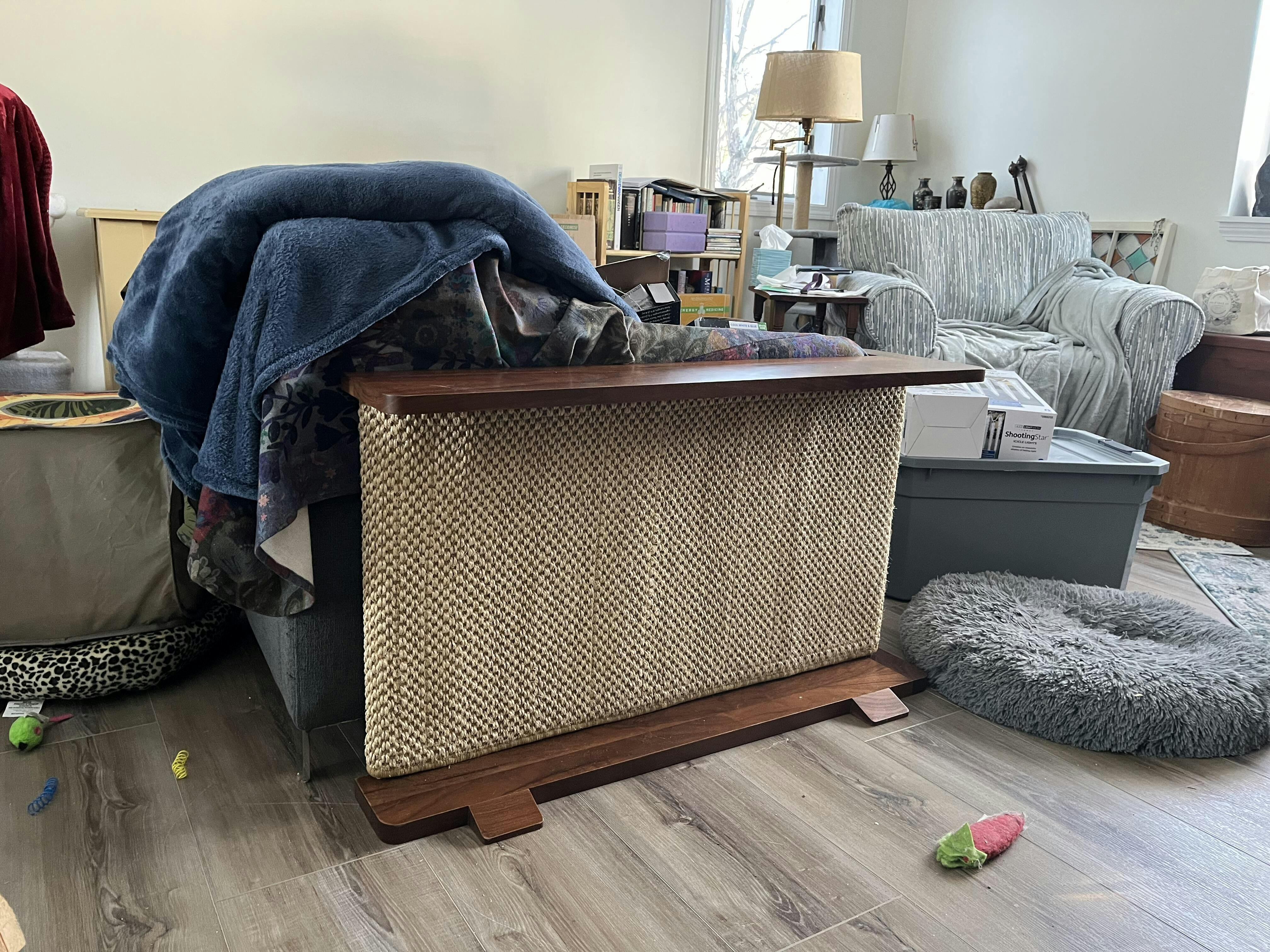
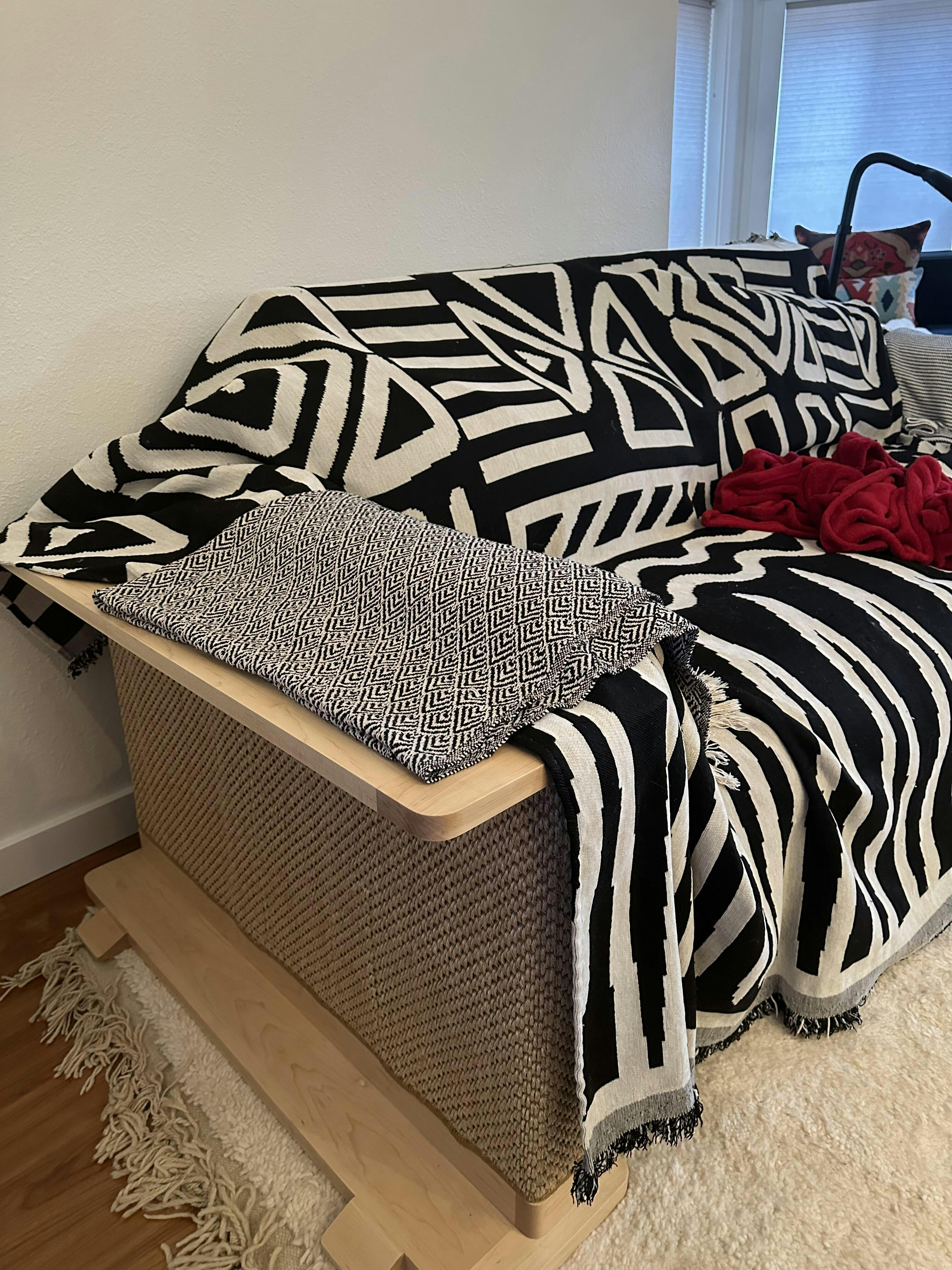
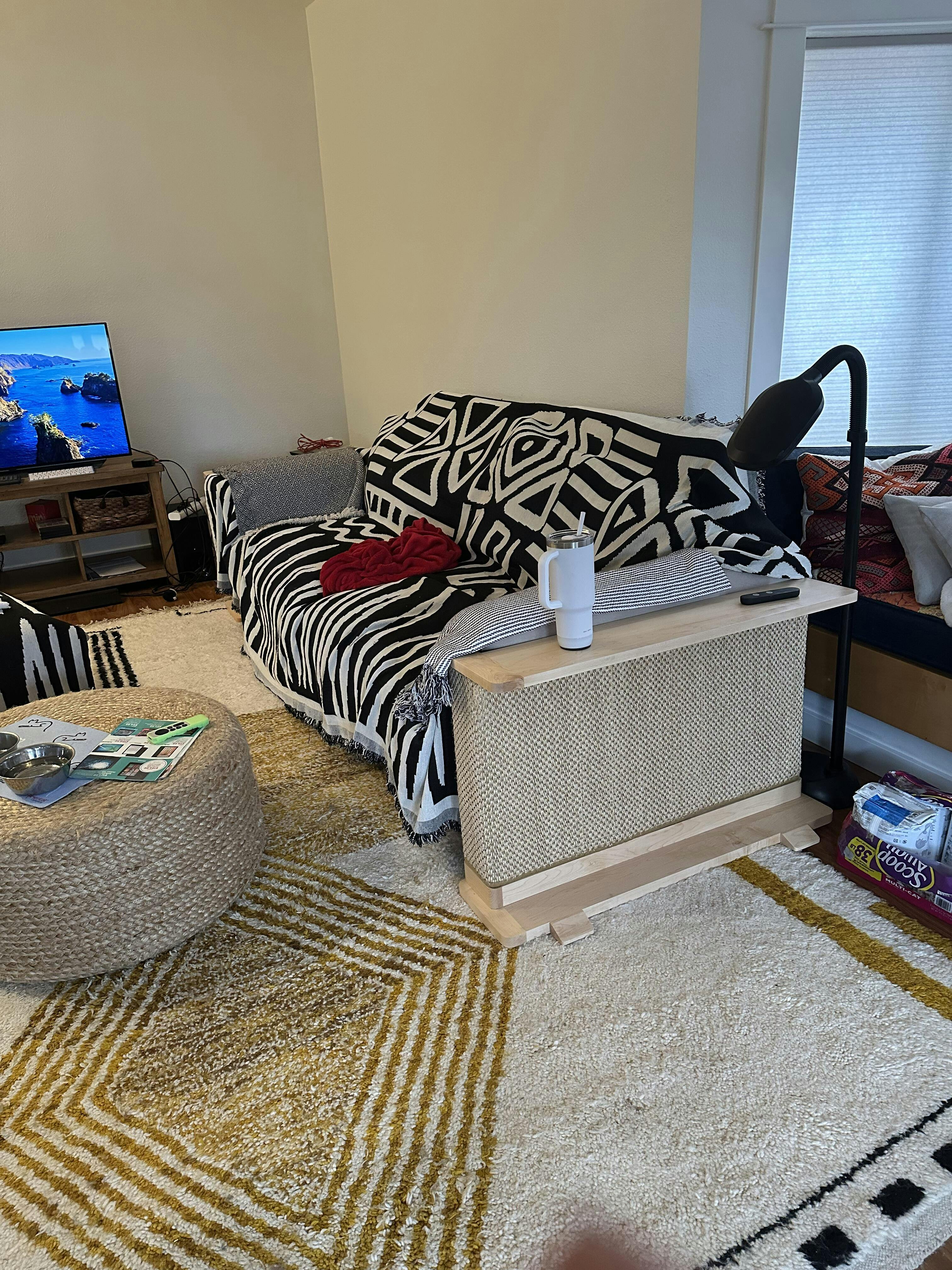
Vertical scratchers: If your cat reaches upward on furniture, walls, or door frames, they prefer to stretch fully. For that deep, satisfying scratch cats love, consider Cat-e-Corner; it offers just the right resistance.
-
Horizontal scratchers: Cats who prefer scratching rugs or carpet enjoy flat surfaces, which means cardboard or sisal mats placed on the floor will likely attract their attention.
- Angled or multi-surface scratchers: If your cat alternates between stretching high and low, they may like a slanted or adjustable scratcher that supports both motions.
Step 2 | Test Different Textures & Materials
Cats respond strongly to how a surface feels beneath their claws. Offering variety helps you learn what your cat truly loves.
4 Best Cat Scratcher Materials:
-
Natural Sisal fabric or mats: Durable, natural, and bark-like, ideal for frequent scratchers. Explore the 5 Best Sisal Mats for Cats you’ll love!
-
Cardboard: Gentle on paws and great for shredders who enjoy tactile feedback.
-
Carpet: Soft and familiar, although it can be confused with household carpets.
- Wood: Mimics outdoor textures for cats who like natural resistance.
Step 3 | Location Matters
Even the best scratcher won’t work if it’s in the wrong spot. Cats scratch to mark areas that feel safe or social, so placement is everything.
3 Strategic placement tips:
-
Keep one near where your cat sleeps (they like to stretch right after napping).
-
Add another in shared areas where people spend time, as it doubles as territory marking.
-
If your cat targets a specific furniture corner, place your Cat-e-Corner right beside it.
Remember, once your cat regularly uses it, avoid moving it around too much because stability builds familiarity.
Step 4 | Look for Behavior Signs
You’ll know your cat loves their scratcher when you see:
- Frequent returns to the same cat scratcher or mat
- Stretching followed by relaxed grooming or napping
- Purring or playful behavior after scratching
-
Less interest in clawing carpets or furniture
Step 5 | Keep the Experience Engaging
Even satisfied cats need variety, since rotating scratchers or changing textures occasionally keeps them mentally stimulated.
Try these simple engagement tricks:
- Reward your cat when they use the scratcher
- Sprinkle catnip or use catnip spray on the surface
-
Add interactive toys nearby to associate fun with proper scratching
FAQs About Cat Scratching Preferences
Q. How do I know if my cat prefers vertical or horizontal scratchers?
A. Simply observe your cat's posture. Cats that stretch up and pull down prefer vertical scratching, while those that stay low and dig into the floor are definitely horizontal scratchers.
Q. My cat ignores every new scratcher! What should I do?
A. Try changing the location or material. Some cats need a familiar scent, rubbing a blanket or your hands on the scratcher can make it more inviting.
Q. How many scratchers should I have at home?
A. Ideally, one per cat, plus one extra in multi-cat homes. Having multiple options prevents territorial conflicts.
Q. How long does it take a cat to use a new scratcher?
A. Most cats adjust within a week or two, especially when encouraged with treats, toys, or catnip.
Q. What’s the best material for a durable cat scratcher?
A. Natural sisal remains the top choice for durability and claw health! It mimics tree bark and lasts far longer than carpet or cardboard. Read on to explore 8 benefits of choosing natural sisal for Cats.