Some cats scratch everything around them, while others seem almost uninterested in scratching at all. If your cat falls into the second group, it can feel confusing.
After all, scratching is one of the most natural feline behaviors, so while it can be normal for a cat to do it very little, it’s still important to understand if this points to their personality or something missing in their environment.
When a cat shows almost no interest in scratching, it usually means one of two things: they don’t feel motivated to scratch, or the environment doesn’t offer the right opportunities for them to do it. The goal isn’t to force scratching but to make sure your cat has the right scratching options so you can confidently rule out stress, physical discomfort, or unmet needs.
Some Cats Naturally Scratch Less
Cats have distinct personalities, meaning their scratching habits vary wildly. Active cats might scratch multiple times a day, whereas calmer or senior cats may rarely feel the need. Often, a lack of scratching isn’t a problem, it’s just a sign of a lower energy drive.
This can be completely normal as long as your cat still shows comfort, confidence, and regular movement around the home. A relaxed, low-drive scratcher shouldn’t worry you unless it’s paired with other changes in behavior.
Your Cat May Not Love the Current Scratching Options
Availability doesn't guarantee use! Cats only scratch surfaces that truly match their preferences. If your cat is ignoring the post entirely, they might be quietly signaling that the texture, height, or stability just doesn't feel right to them.
5 Reasons Why Cats Ignore the Scratcher
- The cat scratcher material isn’t appealing
- The scratcher is too short to allow a full-body stretch
- The scratcher wobbles or feels unstable
- The placement doesn’t feel safe or relevant
-
The angle (horizontal vs. vertical) isn’t their preference
Even confident cats avoid a scratcher if it doesn’t check all their boxes.
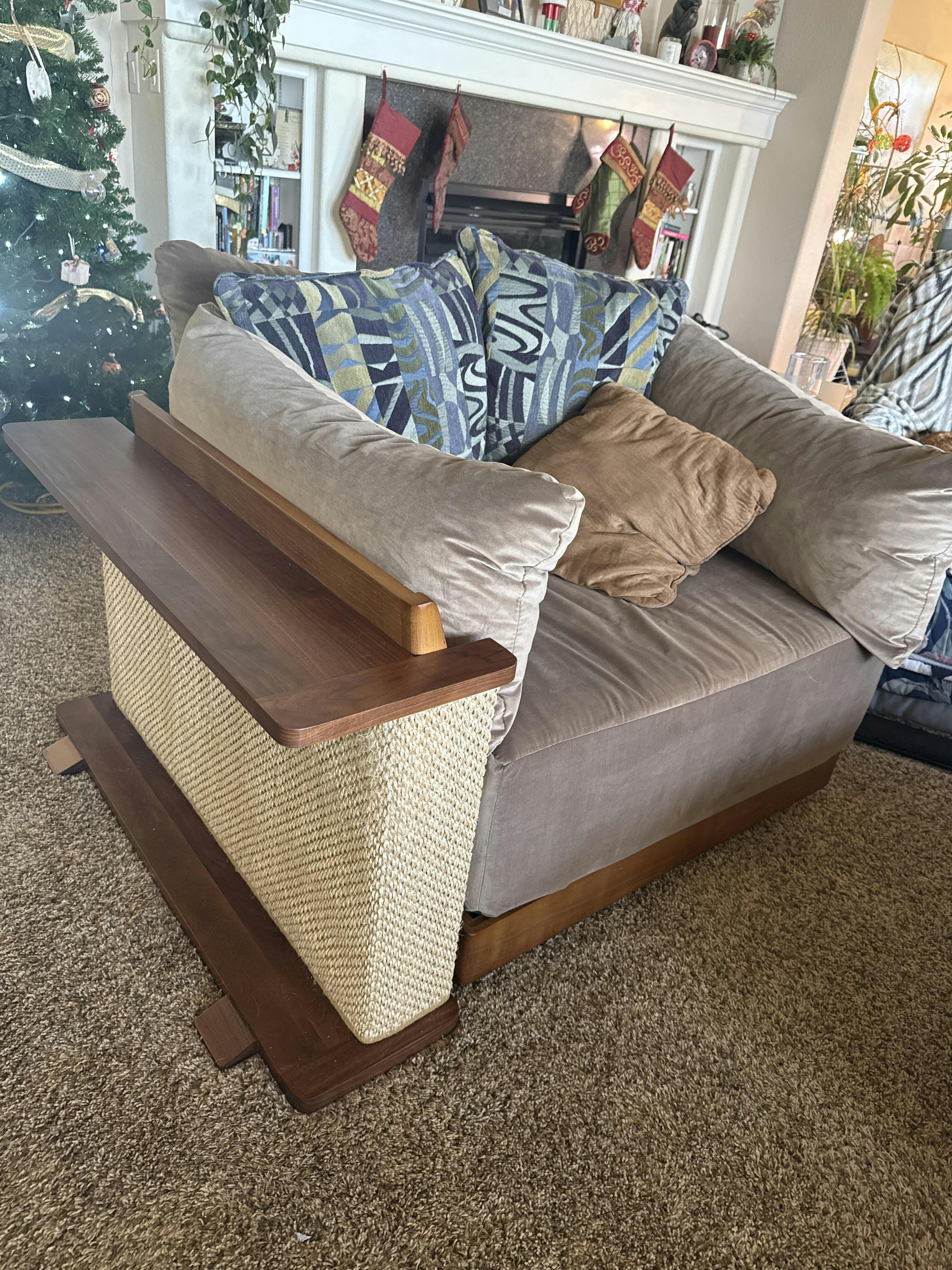
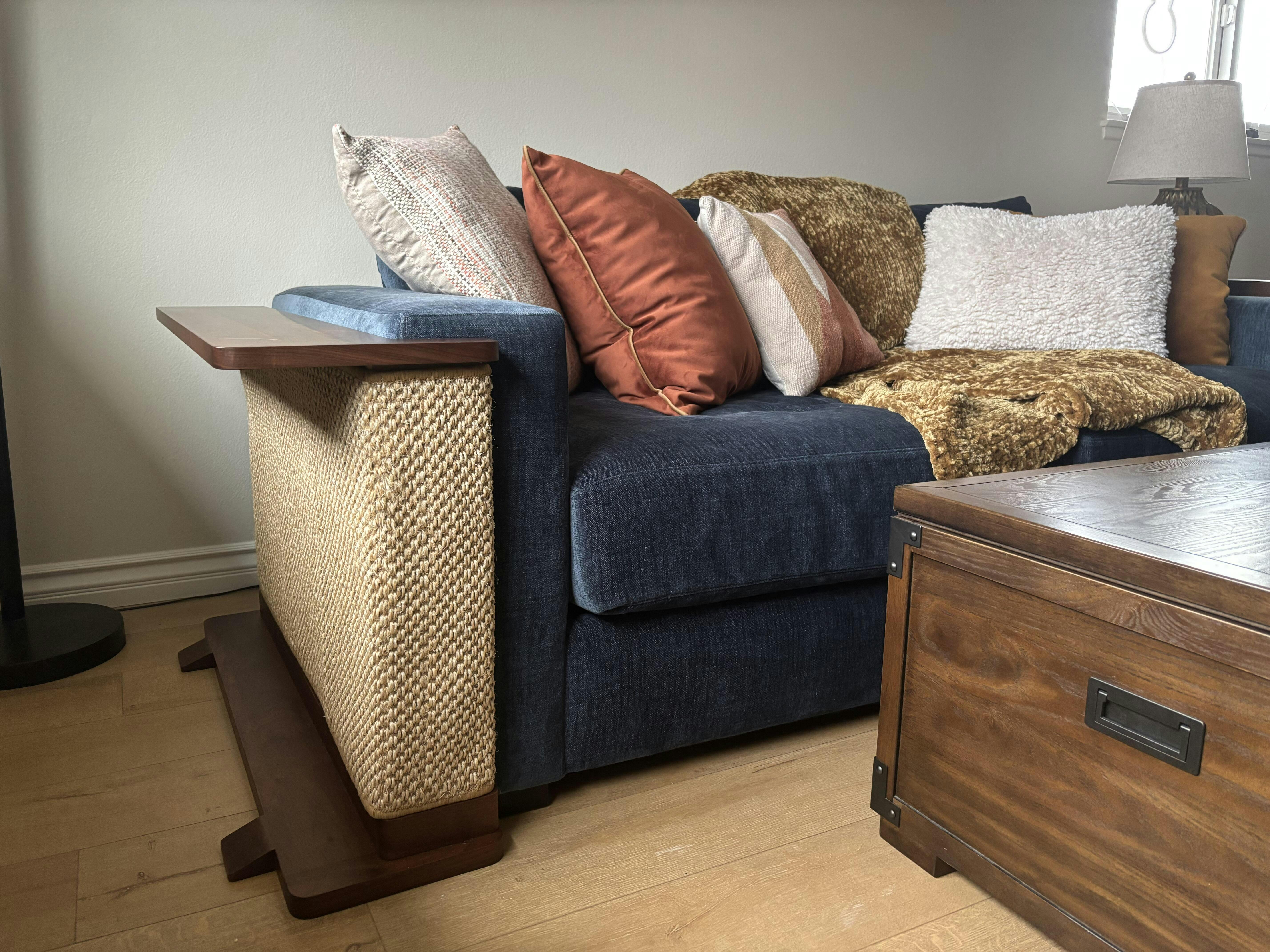
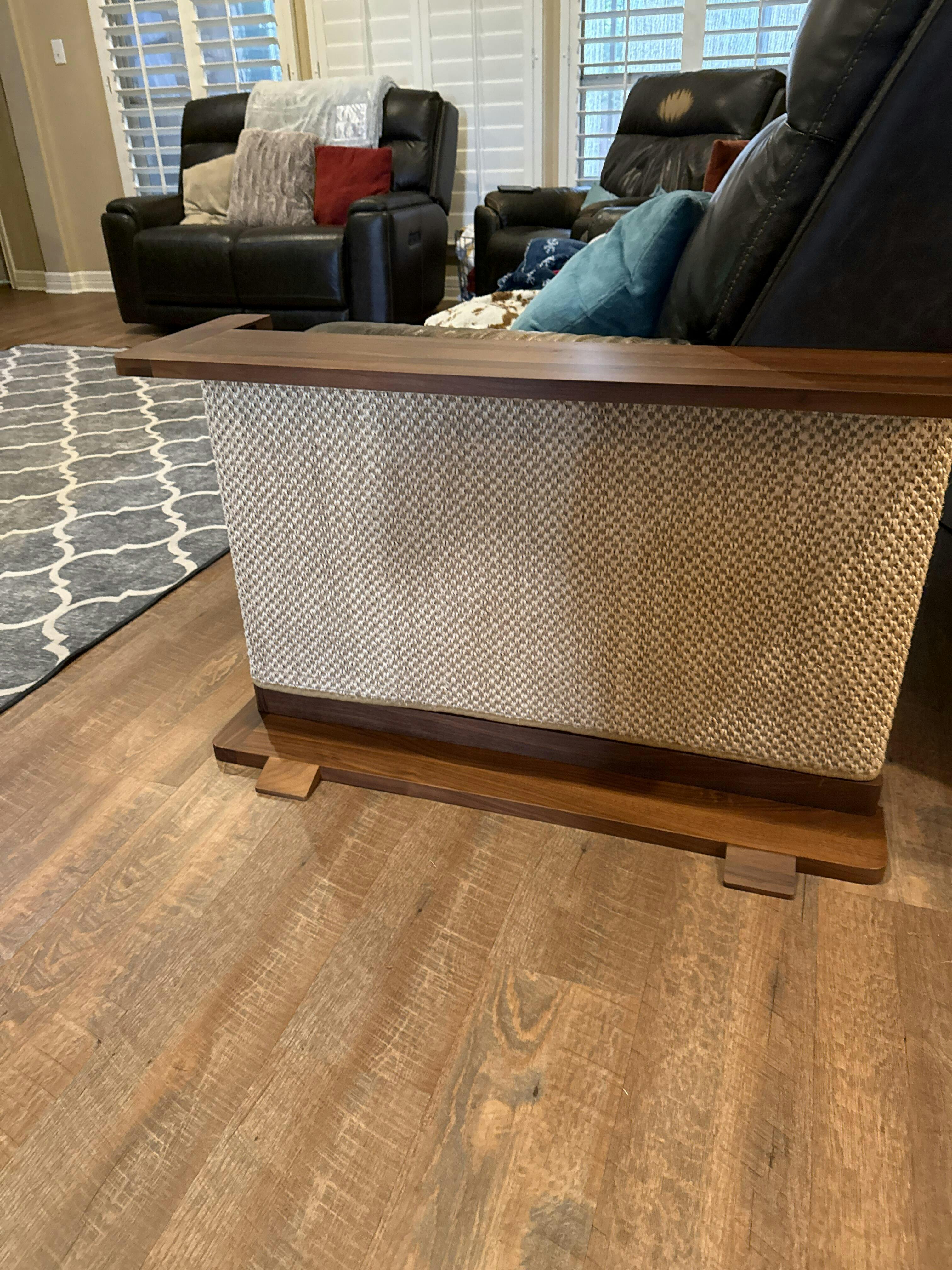
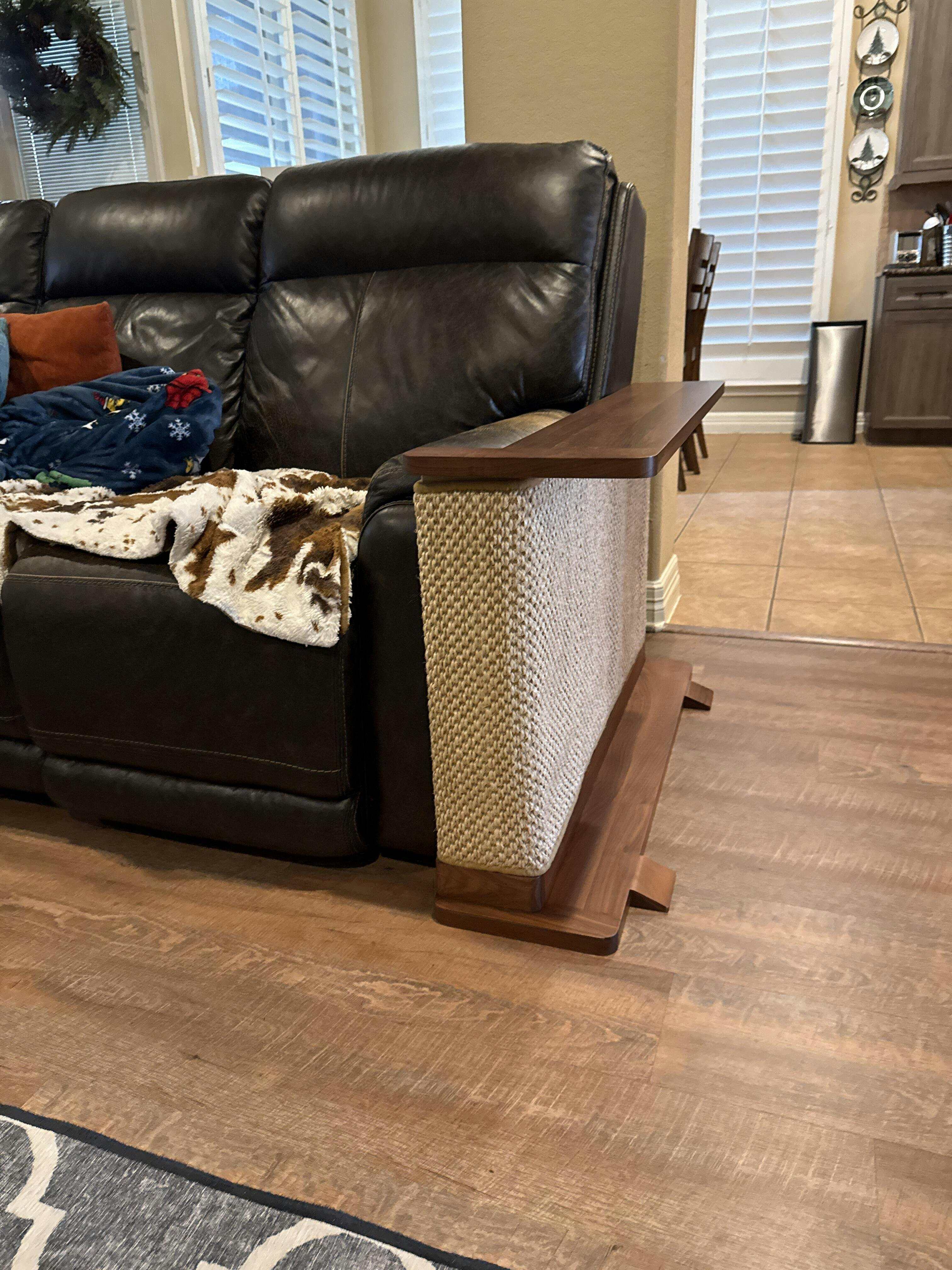
This is where a well-designed option like the Cat-e-Corner becomes valuable. Its upright shape, stable corner fit, and the natural sisal appeal to cats who prefer vertical scratching, scent marking, and stretching, but also to cats who ignore typical posts because they feel too exposed or out of place. A minimalist design like this gives your cat an appealing surface without cluttering your home.
Location Plays a Bigger Role Than Most Cat Parents Realize
Cats instinctively choose prominent spots for scratching, such as entryways or the main living space. If the scratching post is hidden away in a spare room, your cat may simply walk past it without ever feeling the urge to use it.
Moving the cat scratcher to a more strategic area often sparks immediate interest. Placing it next to the couch, near doorways, or where your cat regularly walks helps connect the scratcher to natural feline behavior patterns.
Cats who “never scratch” often start scratching once the placement finally makes sense to them.
Stress Can Reduce Scratching, Not Increase It!
Many people assume stressed cats scratch more, but the opposite can happen. Some cats become withdrawn, cautious, or overly still when stressed, and scratching can drop dramatically during these moments.
6 things that frequently stress cats out:
- New pets
- New furniture arrangements
- Major routine changes
- Loud environments
- Visiting guests
-
Recent moves
When a usually confident cat suddenly stops scratching, it’s a subtle signal that they may feel unsure about their territory.
Adding a sisal mat or a familiar-feeling scratcher again, something grounded like the Cat-e-Corner can help restore their confidence by providing a predictable way to scent-mark and stretch in a spot that feels safe.
Health Conditions Can Quietly Reduce Scratching
Cats are masters at hiding discomfort, so a drop in scratching, especially in a cat who normally scratches, can be an early hint that something doesn’t feel right. Even mild stiffness or sore joints can make stretching less appealing. Arthritis, overgrown nails, extra weight, or general achiness are all common reasons a cat might lose interest in the scratcher.
If you notice any of the signs below, it’s worth checking in with your vet just to be safe:
- Hesitation before jumping
- Stiff walking
- Reduced play
- Sensitivity when picked up
-
Decreased grooming
Encouraging Healthy Scratching Without Forcing It
If your cat doesn’t scratch much but seems healthy, comfortable, and confident, there’s no need to panic. Your role is simply to offer the right options so your cat can scratch when they feel the need.
5 smart ways to encourage your cat to scratch:
- Try different materials (sisal, cardboard, wood)
- Use minimalist scratchers like the Cat-e-Corner that blend into home spaces without clutter
- Place scratchers in the main living spaces
- Add scent attractants like silvervine or catnip
-
Choose stable, tall designs that allow stretching
Often, the right combination reveals a behavior your cat always had! It just needed the right setup to emerge.